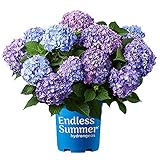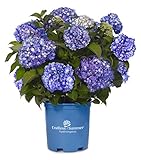


Endless Summer® Blushing Bride Bigleaf Hydrangea
The White Wedding Hydrangea are known for their unique conical shape and can thrive in a variety of conditions.
note this post contains affiliate links
This hydrangea produces gorgeous cone-shaped white blooms every summer that are guaranteed to steal the show in your landscape. These large flower clusters have a crisper white hue than many popular Paniculata hydrangeas on the market today. These blooms are also quite long-lived. Therefore, they’re absolutely ideal for a cut flower arrangement.
Do White Wedding Hydrangeas Bloom All Summer?
Caring for the White Wedding Hydrangea by planting them in moist, well-drained, fertile soil, will allow them to continually bloom during the summer months. When it comes to growing white hydrangeas, often prove to tolerate more sun as well as a wide range of soil conditions.
Although most hydrangeas flower in full sun they tolerate part sun especially when growing in the southern states.


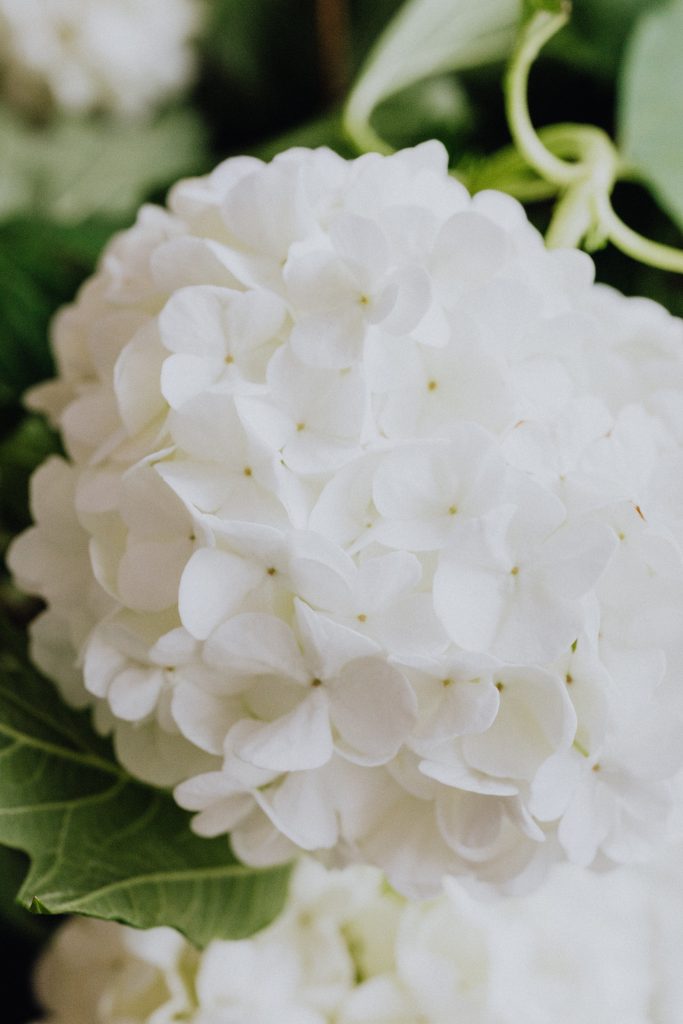
The foliage on the White Wedding is soft in appearance and plentiful. The leaves emerge light green and mature to a medium hue and provide reliable growing season color and texture in the landscape. Furthermore, this variety is naturally compact. So shaping and pruning are largely unnecessary!
This Hydrangea is more deer resistant than most varieties. However, it isn’t deer-proof.
Use it as an accent, container, hedge or mass planting.
White Wedding Hydrangea Care
This variety is hardy from USDA Zones 4-9, down to -30° F when fully established. Additionally, this is a deciduous plant and will lose all of its leaves in the winter.
Plant in Full Sun to Partial Shade for best results. Keep in mind that too little sun results in decreased bloom and foliage potential.
The White Wedding Hydrangea tolerates most native soil types. However, rich soil with good drainage produces superior results.
Water 3-4 times per week during the first growing season. During the second season, provide supplementary water 2-3 times per week, or simply as needed. After it’s established, this selection proves itself to be notably drought tolerant.